
Being a blessed porphyria warrior is about more than just a slogan
I have to fight every day, and I do it for my loved ones and myself
Written by |




Shortly after I was diagnosed with acute intermittent porphyria (AIP) in October 2020, I discovered the American Porphyria Foundation’s website, which is dedicated to supporting patients with porphyria.
The site offers valuable information about the condition and its approved treatments, as well as a store featuring porphyria awareness merchandise like bracelets, hats, and shirts. I quickly ordered several “I am a Porphyria Warrior!” bracelets to raise awareness and affirm my determination to be a warrior. By that point in my life, I’d endured severe abdominal pain and nausea, but I refused to let these symptoms keep me down.
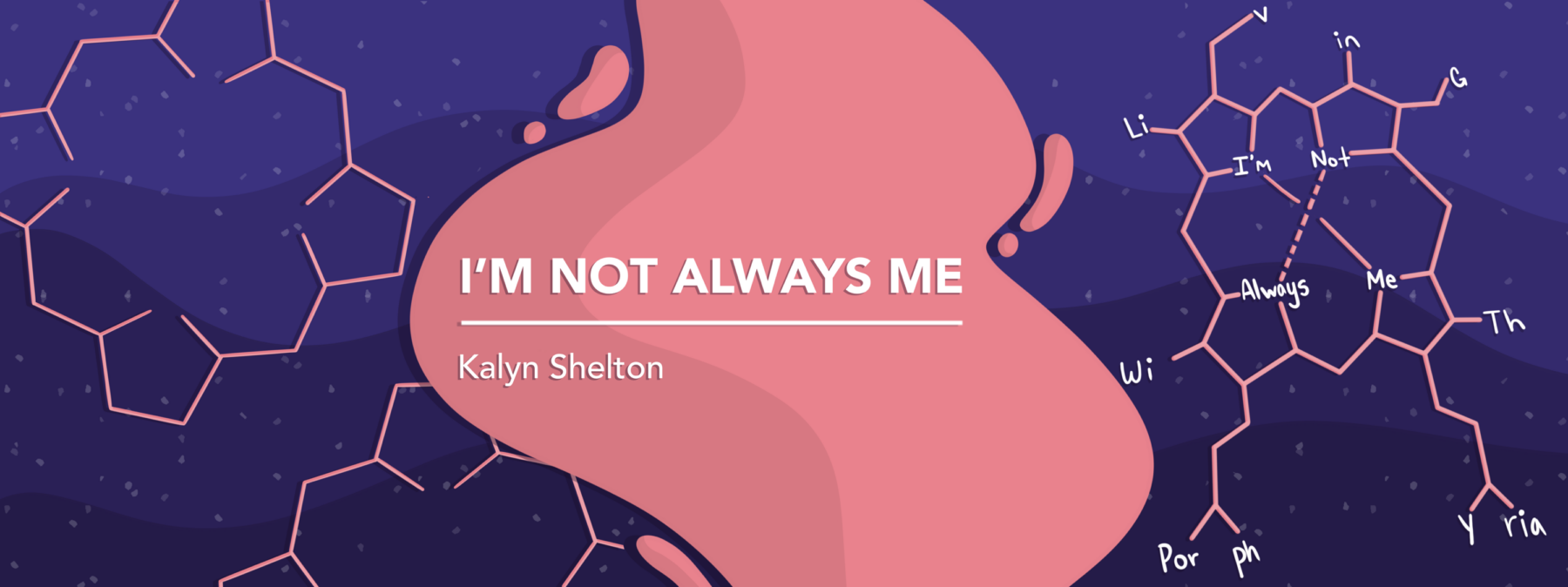
I published a book two years ago titled “I’m Not Always Me: Living With Porphyria.” Partly inspired by my porphyria warrior bracelet, I wrote in the book that “everything inside of me was going to war against itself and my body was its battleground.” As I discussed in my previous column, caring for my family is my responsibility — which means I have to keep fighting.

Fight or surrender
I believe my urge to fight began at a young age, perhaps even before birth. My mother has told me that I fought for my life while still in the womb, as the umbilical cord was wrapped around my neck. During contractions, the cord would tighten, and my heart rate would drop. While I’ve always possessed a deep will to survive, living with AIP has taught me that some battles are simply beyond my control.
When I describe AIP’s symptoms — severe abdominal pain, nausea, vomiting, confusion, seizures, full-body pain, and mood swings — they may sound like mere words until you experience an attack firsthand. The pain is truly unbearable.
In another column, I wrote that it feels as if I have a fuzzy mitten in my liver that’s on fire and being stomped on. The nausea twists my insides and forces out my stomach’s contents almost every time I take a deep breath. Faced with these agonizing symptoms, I’ve had to make the toughest decision: Fight or give up. Ultimately, only God determines when I take my last breath, but it’s up to me to keep breathing. I do believe a mansion awaits me in the next life, and I look forward to that day, but I’m not finished here yet. And neither are you.
Although AIP is a chronic condition, it can sometimes be managed by avoiding certain triggers — such as fasting, smoking, physical or emotional stress, hormonal changes, alcohol, and certain medications. Self-care can help prevent some attacks. I know how hard it can be just to get out of bed, eat a snack, or drink some juice, but I also know that small actions like these have saved my life more than once. My blood sugar can drop suddenly, so I set alarms to remind myself to snack every couple of hours.
I must also be extremely careful with medications, as the wrong choice can land me in the hospital with an AIP attack, requiring several doses of Panhematin (hemin for injection).
Each time I’m faced with the prospect of hospitalization, I confront the same choice: Fight or surrender. I must go to the hospital for treatment, or the consequences could be fatal. Enduring IV needles and blood draws isn’t easy — I squeeze my fist, close my eyes, and breathe through the pain — but every trip to the hospital, whether I walk out my front door or am transported by ambulance because I can’t move my legs, is a conscious decision to keep fighting.
If I were to give up, I wouldn’t be the only one to lose. Everyone I love would lose me, too, and that’s not fair. My husband would lose his wife, my daughters their bonus mom, and my family a daughter, sister, and aunt. While I don’t control when or how I’ll leave this earth, I can choose to give my all while I’m here. Despite constant pain, nausea, and near-daily vomiting, I am still a blessed porphyria warrior!
Note: Porphyria News is strictly a news and information website about the disease. It does not provide medical advice, diagnosis, or treatment. This content is not intended to be a substitute for professional medical advice, diagnosis, or treatment. Always seek the advice of your physician or other qualified health provider with any questions you may have regarding a medical condition. Never disregard professional medical advice or delay in seeking it because of something you have read on this website. The opinions expressed in this column are not those of Porphyria News or its parent company, Bionews, and are intended to spark discussion about issues pertaining to porphyria.



Leave a comment
Fill in the required fields to post. Your email address will not be published.